


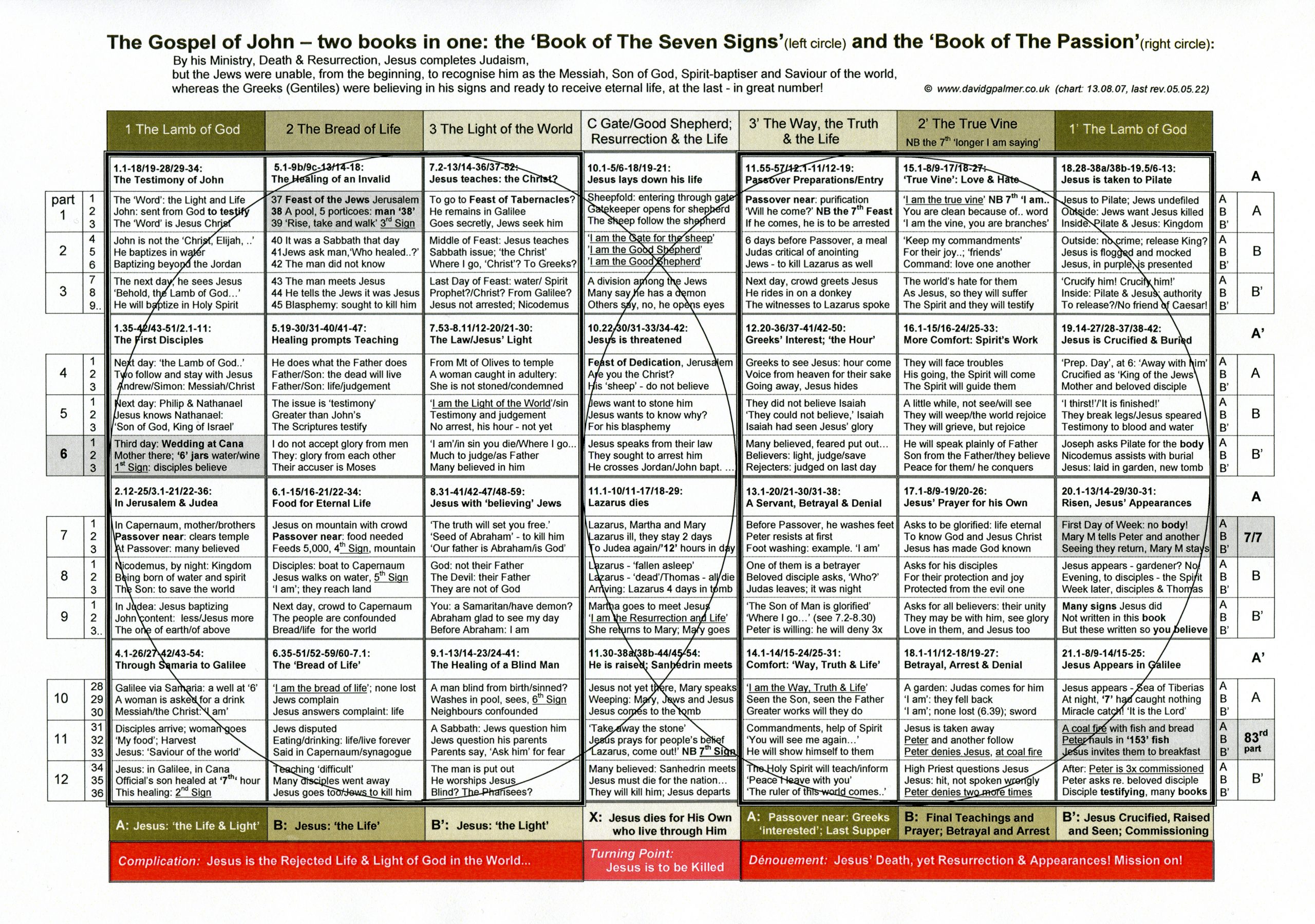
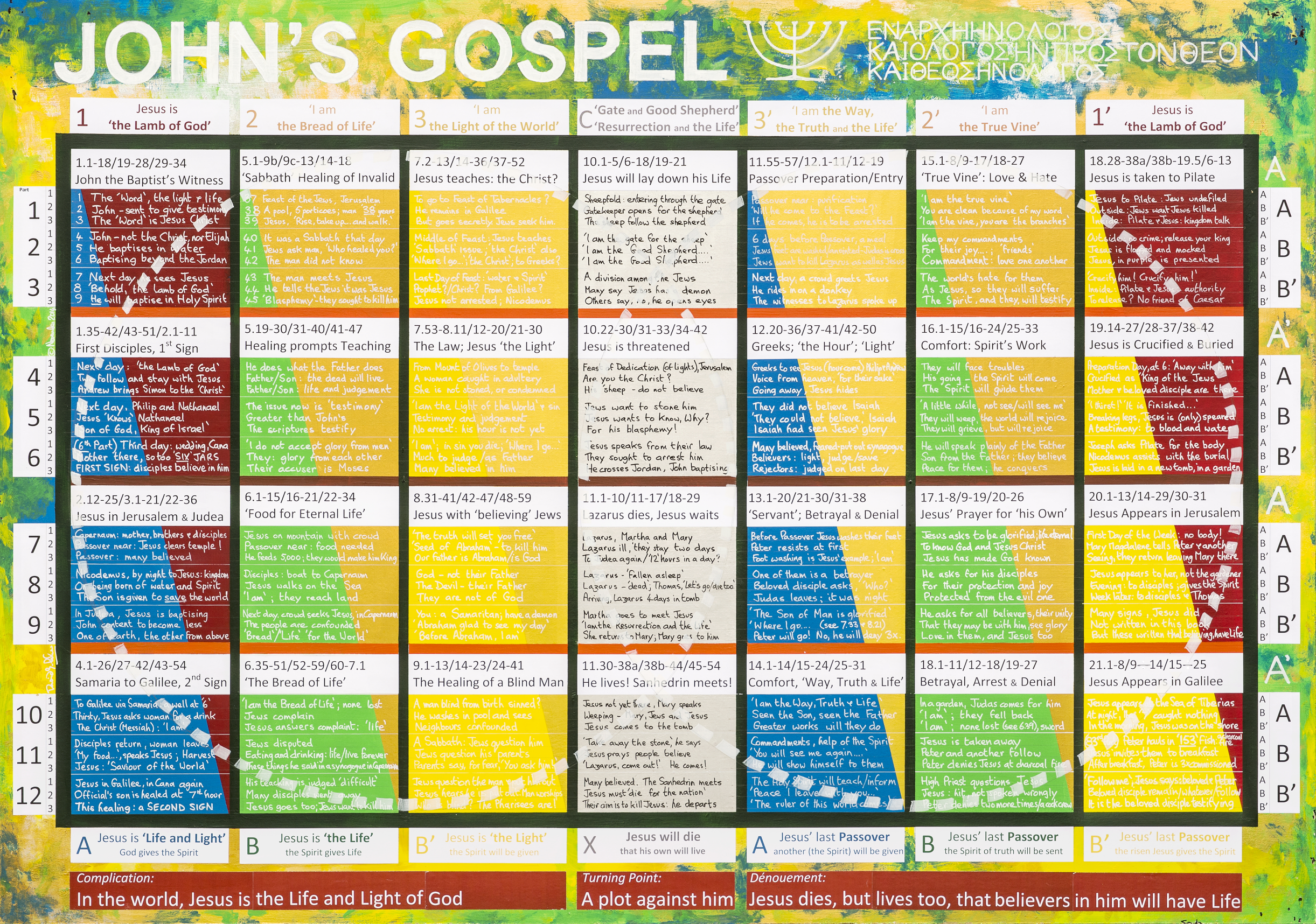

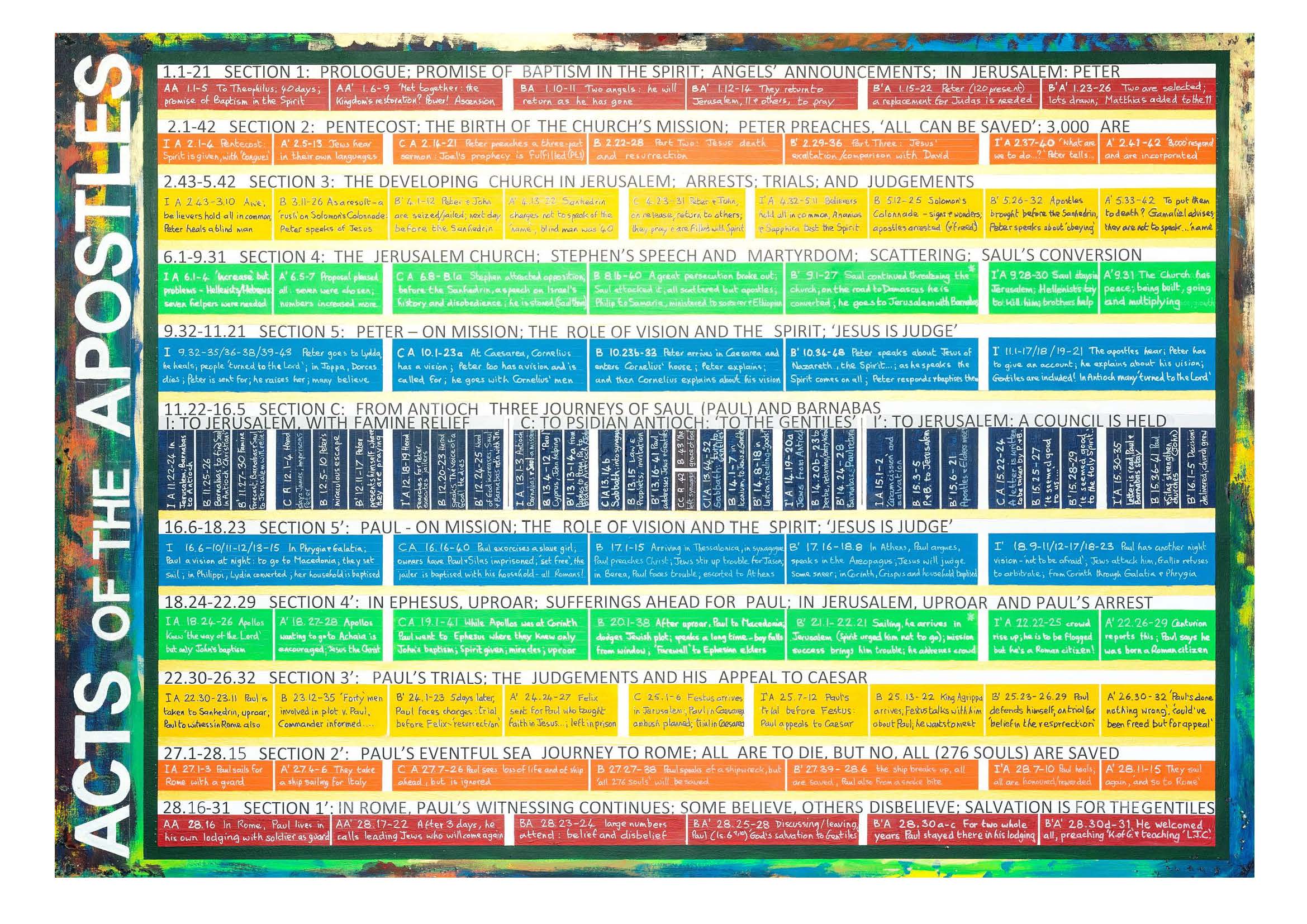
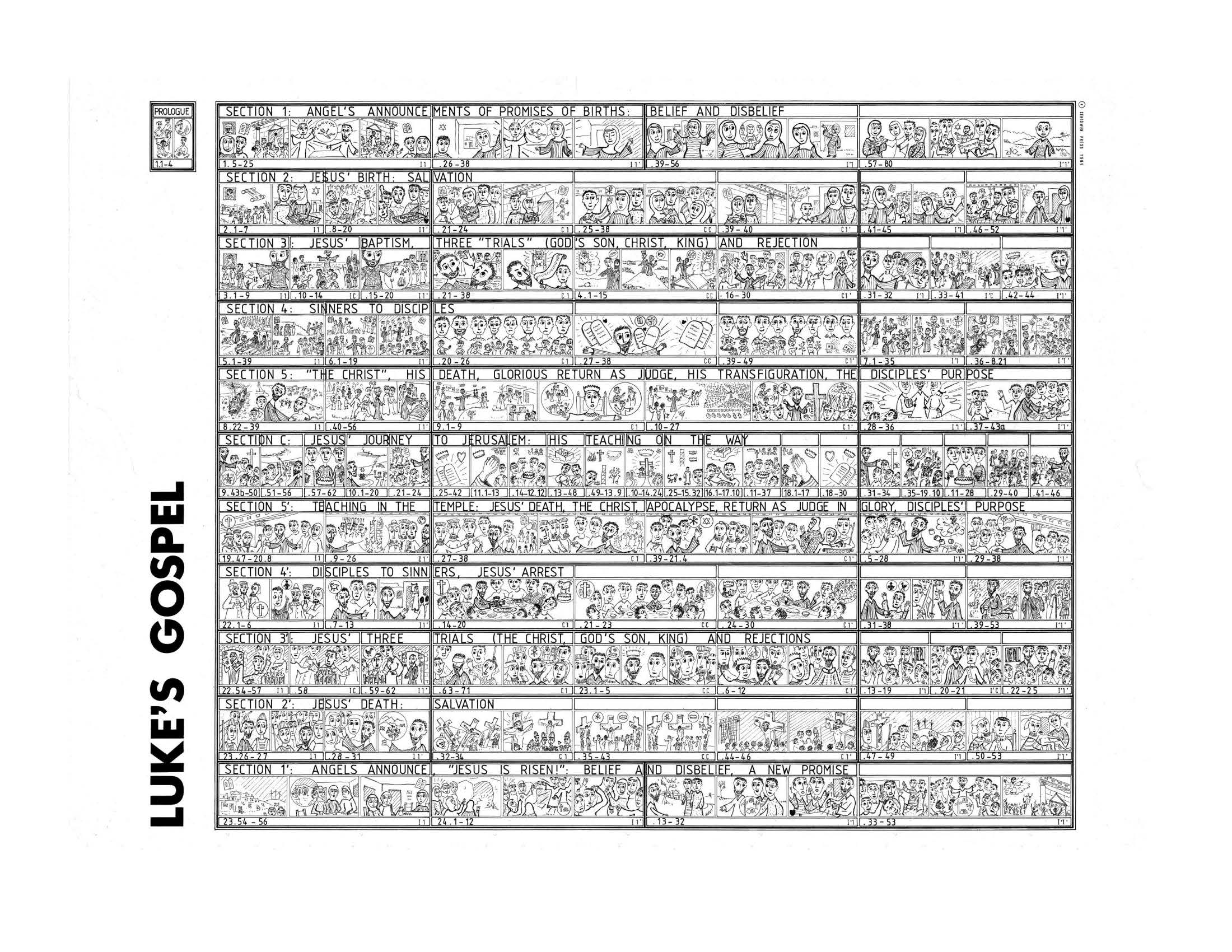


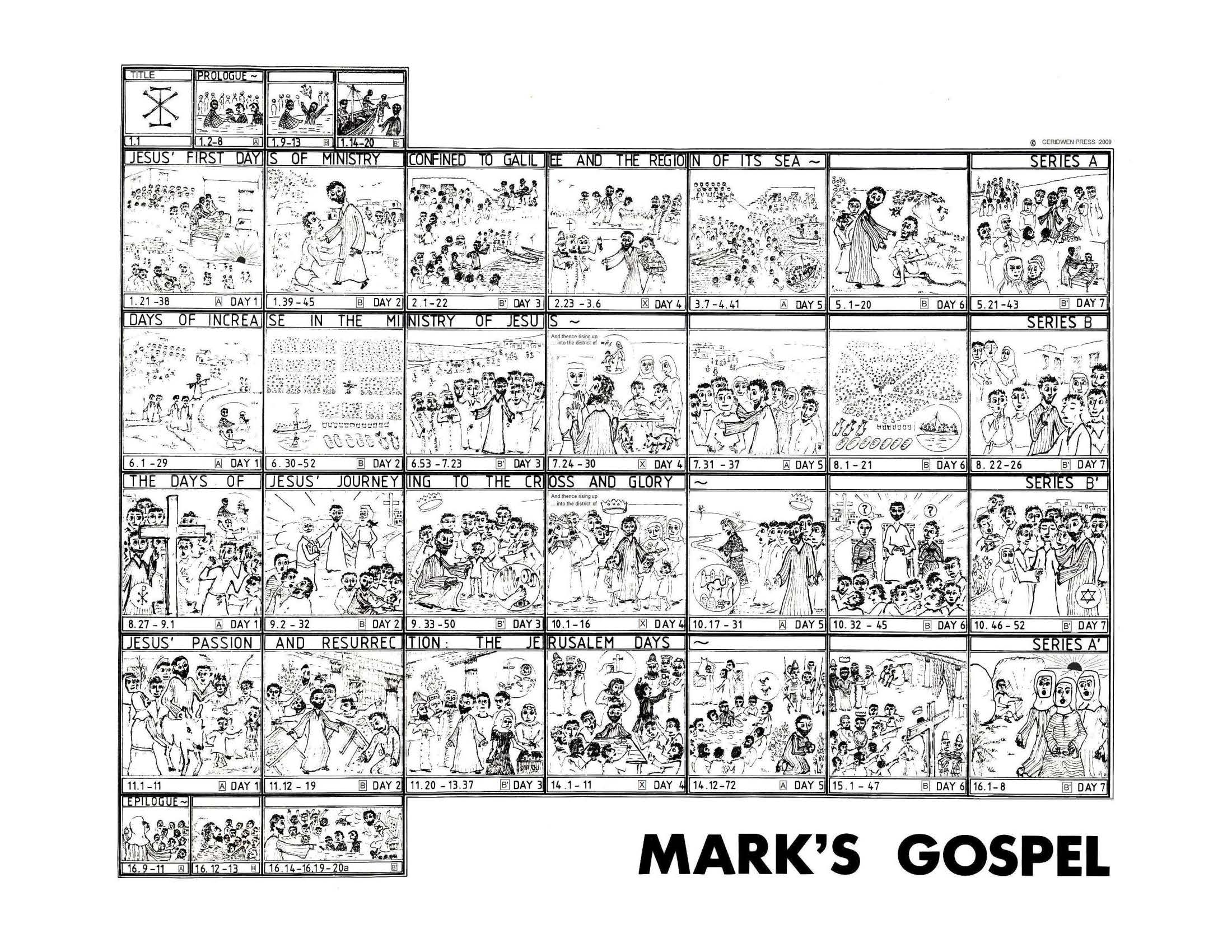

For seventeen-hundred years, scholars have not known the New Testament texts as they might have done (or, ought to have done). They have been oblivious to the details of the Greek texts that are essential to a meaningful reading of them. They have not known the writers’ discipline of writing to the rules and practices of their day. They have not known, and some have not wanted to know, it seems, that these writings are works of Hellenist (ancient) rhetoric, products of literary-artists constrained by the requirements of an oral/aural ‘world’ of communication in which writers reached their listening audiences through readers and reciters. For them, structure and style aided memory and presentation.
The first translators are responsible for the earliest loss of these writing characteristics. So soon as church leaders began translating the Greek manuscripts into Latin and Syriac, the texts began giving up their meaningful shapes, as well as their essential details. Then, for almost eleven-hundred years, the church read and promoted mainly its own Latin texts. Only with the Reformation did the Greek texts begin to get the attention they deserved. Yet, since then, and even all through the era of biblical-criticism, translators continued to work with the texts that others had punctuated and paragraphed before them. No one ‘parsed’ the texts and rhetorically examined them for themselves. So many questions were never raised. Today, therefore, translators will be surprised that they now have much more to do than just translate ‘words’. The ‘works’ are made up of ‘words’ set in a repeating (dactylic and Homeric?) writing style which aids punctuation. Writing style also helps reveal structure. And structure itself, as Augustine says, is essential to revealing meaning and purpose.
There is much for many to delight in and there is much for many to do. A huge agenda awaits a rising generation of scholars. A revolution in New Testament reading (and who knows what else) is prompted by the launch of this website. The first texts to be fully-parsed and rhetorically analysed were summarised on a ’msn-users’ website on Bible Sunday (the old one) in 2003. Since that time, New Testament: New Testimony to the Skills of the Writers and First Readers has seen five editions - published between 2004 and 2016. Now, a further five years on, it is all being made available here. Please use the blog to present your thoughts and comments on this research.
You are invited to download any or all of the documents and charts on this website for free, so long as you observe copyright. Included among the documents are art-works, tables, the Greek text - fully-parsed and rhetorically analysed and 60% of the New Testament in literal English.
To purchase any of my books, or to read more about my own research, visit my website: www.davidgpalmer.co.uk.
For the downloading of any document or chart, please consider making a donation to http://fundforhumanneed.org.ukDr David G Palmer, Bible Scholar, former Methodist Minister and Architect